- Your cart is empty
- Continue shopping
What is Tramadol Used For?
-
Bryan Cole
- Posted on
- Categories:Health Tips, Pain Relief Medication
- 0 comments

Know About Tramadol-
A synthetic opioid analgesic called Tramadol is used to address moderate to extreme pain. Tramadol alters how your body perceives and reacts to pain by acting on the brain. Doctors frequently recommend the painkiller Tramadol to treat moderate to extreme pain.
It can be combined with Paracetamol or ibuprofen. (a common over-the-counter drug). In addition to increasing the quantity of norepinephrine and serotonin available at receptor sites in the brain, tramadol also prevents binding between norepinephrine receptors, allowing more norepinephrine to bind there.
When buy Tramadol online, you should know about correct dosage of Tramadol for a few days and consultant your doctor.
How does Tramadol work for Pain?
An opioid analgesic made synthetically, Tramadol attaches to mu-opioid receptors in the brain. It functions by lessening your sense of pain and raising your level of pleasure. Tramadol is given off-label for other conditions like depression or anxiety in addition to treating moderate to severe pain.
German scientists created Tramadol in 1937 as part of their quest for more efficient substitutes for codeine, another synthetic opioid analgesic that was widely used at the time. (and still today). However, if You want to stay away from the side effect of Tramadol medication, you need to Buy Tramadol Overnight in the exact dosage amount as prescribed by your doctor.
How Is Tramadol Used?
Pain ranging from moderate to extreme can be treated with tramadol. Your brain’s reaction to pain signals is altered by Tramadol, which makes it simpler for you to tolerate it. Other uses for Tramadol that aren’t covered in this medication reference are possible.
What are the possible side effects of Tramadol?
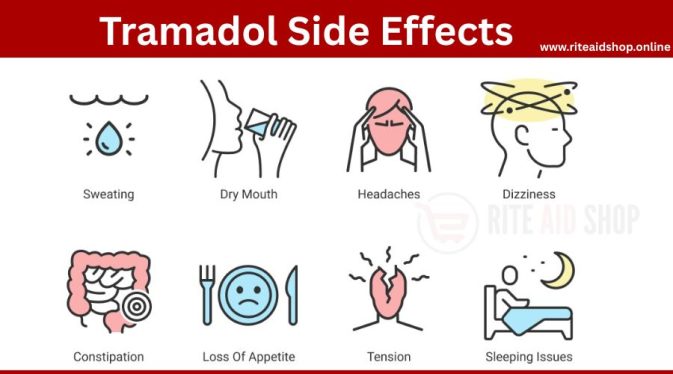
Tramadol is a prescription painkiller used to treat moderate to severe pain. While it can be effective in providing relief, like any medication, it does carry the risk of side effects.
Some common side effects of Tramadol include:
- Nausea
- Vomiting
- Constipation
- Dizziness
- Headache
- Drowsiness
- Dry mouth
- Loss of appetite
- Sweating
- Itching
More serious side effects of Tramadol can include:
- Seizures
- Serotonin syndrome (when taken with other medications that increase serotonin levels)
- Respiratory depression (slowed breathing rate)
- Low blood pressure
- Allergic reactions such as hives, rash, itching, and difficulty breathing
It’s important to talk to your healthcare provider about any concerns you may have with taking Tramadol For Pain Relief and to report any side effects experienced while taking the medication.
Is Tramadol a Narcotic?
Narcotics are defined as extremely addictive substances that can lead to dependence. The term is derived from the Greek verb “to numb” narcotics. Natural and synthetic narcotics are the two major divisions of narcotics. Opium (found in poppies), morphine, codeine, and heroin are examples of natural drugs. Methadone and meperidine are examples of synthetic narcotics. (Demerol).
A synthetic opioid analgesic with numerous mechanisms of action similar to tramadol hydrochloride, Tramadol hydrochloride has not been demonstrated to be addictive or to cause dependence in people at therapeutic doses.
Is Tramadol Safe for Me to Use?
Both a narcotic and an analgesic, Tramadol. This implies that it has a compulsive potential, so you should exercise caution when deciding how much and how long to use it.
Both pregnant women and toddlers under the age of 12 should avoid taking Tramadol. Before taking Tramadol, consult your doctor if you’re taking any other drugs that could interact with it. You should always get a prescription from your doctor before Order Tramadol Online.
How is Tramadol unique in getting relief from pain?
Adults with moderate to extreme pain may use the synthetic opioid analgesic Tramadol. Tramadol for Pain Relief which functions by attaching to and blocking the action of mu-opioid receptors in the brain and spinal cord. Preventing the transmission of pain signals from those areas to other parts of your brain lessens the sense of pain.
Tags: