Mental illness is a challenging topic that has been subject of research and debate over the years. There is no definite answer to what causes mental illness and several factors and life experiences are thought to play an important role in its development.
What Causes Mental Illness?
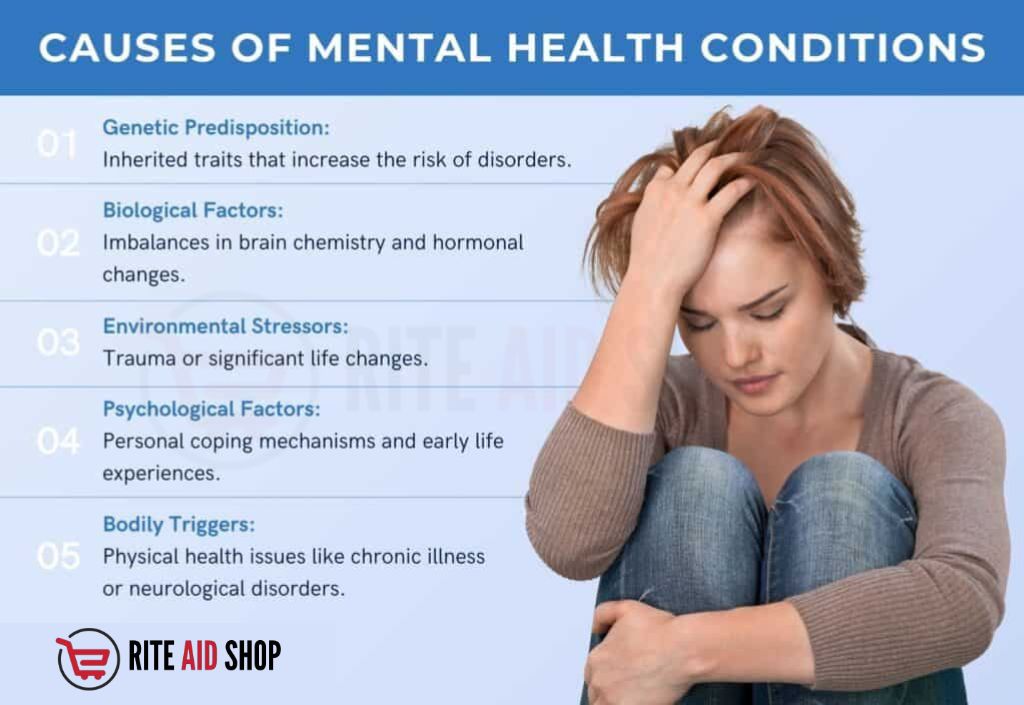
Mental illnesses can have many causes including genetic and environmental factors. Some primary causes of mental illness like brain chemistry imbalances, genetic predisposition, traumatic experiences, chronic stress, and drug or alcohol abuse. Some medical conditions like thyroid disease may cause similar symptoms as those seen in psychiatric disorders.
How do I know if I have a mental Illness?
You should recognize the symptoms of mental illness quickly so you can seek proper treatment. The most common symptoms of mental illness are persistent irritability or sadness, sleep or appetite changes, difficulty concentrating, withdrawal from others, and decreased energy levels. Some example of mental illnesses their symptoms include panic disorders, anxiety disorders, and post-traumatic stress disorder. Rite Aid shop Help to recognize about symptoms of mental illness and factors.
What Biological Factors Can Cause Mental Illness-
There are millions of people in world who affects from Mental illness and exact causes are not cleared. There are many biological factors that can be contributed in mental illness.
These factors are like Genetics, Environment, Stressful events, Childhood trauma, Negative thoughts, Unhealthy habits, Drugs and alcohol, Brain chemistry and other environmental factors.
Genetics: Family history of mental illness can increase the likelihood of developing certain conditions, as genetic predispositions play a role.
Brain Chemistry: Imbalances in neurotransmitters, which are chemicals that transmit signals in the brain, can affect mood, behavior, and cognition, leading to mental health challenges.
Environmental Stressors: Trauma, abuse, neglect, or exposure to violence, Anxiety disorder, particularly during childhood, can contribute to mental illnesses. Stressful life events, such as loss, financial difficulties, or relationship struggles, also play a part.
Physical Health: Chronic illnesses, brain injuries, or hormonal changes (such as postpartum changes) can influence mental well-being.
Substance Use: Excessive use of alcohol or drugs can alter brain function and lead to or worsen mental health conditions.
Social Isolation: Lack of support or a sense of belonging can exacerbate feelings of loneliness or depression.
Cultural and Societal Factors: Stigma, discrimination, or pressures like unrealistic societal expectations can impact mental health.
Bryan Cole